If you’ve ever worked or been part of an agency, you know that no project stays exactly as it started.
A project can take a different turn at any point. Priorities might change mid-sprint, or a new stakeholder could come onboard with a new direction. Clients expect that when they hire an agency, the agency can handle all these changes without disrupting the delivery, which is why agencies build whole disciplines around accommodating them.
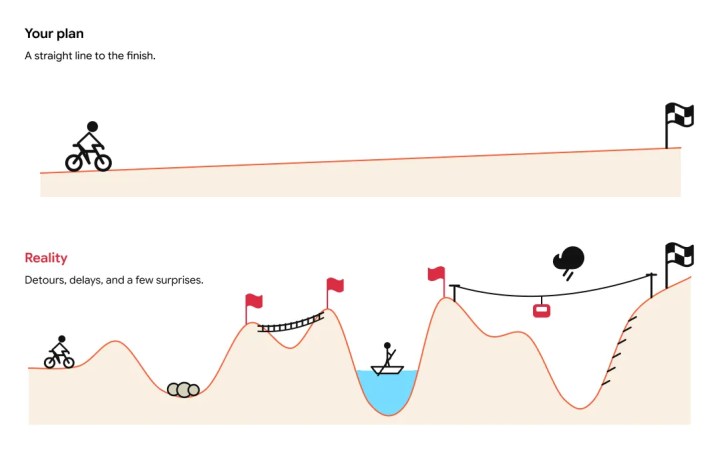
The discipline, in essence, was fixed. Before a project began, the team agreed on how the work would be estimated, tracked, reviewed, and allocated. Any changes during the project were managed within that agreed process.
This rigidity was intentional. It gave everyone, including the client, visibility and a consistent way of working, even as the deliverables changed. True Agile Scrum is a good example of this approach.
But, this isn’t wholly true anymore.
Two layers of delivery
Great project management has always looked a lot like chess. You’re thinking three moves ahead for the client, so that any variables or potential changes are addressed well before they cause any concerns.
AI is raising the bar by adding a second board on top of the first. Now, managers need to be looking three moves ahead at what will improve the efficiency and effectiveness of delivery, while simultaneously managing the forward-thinking on the project’s deliverables.
At rtCamp, I’ve been seeing how these two boards are influencing each other. The way we estimate, report, allocate resources, and run projects is changing on the fly during engagements, not just between them.
Estimates are based on how long similar projects actually took, which earlier depended on human memory. Status reporting is moving from weekly documents to live data that clients can check whenever they want. Capacity gaps are getting flagged earlier. AI-powered dashboards and prompting makes the team stay on top of data maintenance and project risks.
Why clients demand this
The obvious benefit is speed and cost. Those matter, but they aren’t the most interesting part.
The bigger payoff is visibility. As the process opened up, clients mostly saw the finished output. With AI, they’re now seeing more of the reasoning: where a number came from, which assumption drove it, what changed since last week.
Details open up like more comprehensive granular reporting, earlier risk flagging, more detailed action items immediately after calls. That’s a better conversation than saying “trust us.”
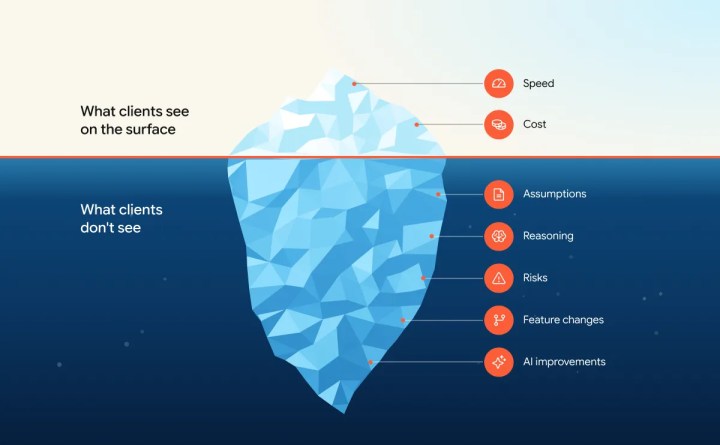
Trust still comes from strong delivery and a smooth process. The cherry on top is that clients can now see it happen in real time, and not just take our words for it.
It also means fewer surprises. When estimates rely on hard project history and capacity is visible earlier, the conversation about a tight budget happens in month two, not month four, with much stronger data to substantiate.
And it also changes what consistency means. Agencies used to sell consistency. Now it’s the floor. A client 6 months into an engagement should reasonably expect delivery to be better than it was on day one, not just the same.
What AI can’t replace
None of this works if the process changes just for the sake of it. A process that evolves every few weeks can create confusion for both the team and the client. Someone still has to ask whether a new approach is actually better, not just newer. That judgment hasn’t been automated, and I don’t think it should be.
The same goes for accuracy. AI will happily produce a confident estimate that’s wrong in interesting ways – padding phases, inventing overhead nobody asked for. Human review and prompting is what makes the output powerful.
PMs now keep an eye on two things: where the project is heading and how the way it’s delivered is evolving. These used to be separate conversations. Now, they run alongside each other. It’s more demanding, but also the most interesting this job has been in years.
If the way your agency delivers changed three times during your project, would you notice? Should you? And what questions should you be asking?
Two layers of delivery
Why clients demand this
What AI can't replace
On this page
Credits

Mackenzie Hartung
Author
Mackenzie Hartung
Author
Mackenzie Hartung is the Chief Delivery Officer at rtCamp, where she oversees the delivery strategy, processes, and teams that power enterprise WordPress engagements. With over a decade of experien…
Contributions and Updates: Babita 
Comments
Leave a Reply Cancel reply
Name*
Email*
Comment*
Submit
Δ